
South Jordan City Council Budget Meeting March 17, 2026
Kathie Johnson • July 9, 2026
South Jordan City
Council Budget Meeting
March 17, 2026
Key Points Summary
Infrastructure Projects and Capital Improvements
- The Council discussed I-15 interchange improvements, referencing other cities' experiences (e.g., Washington City contributed $5 million for enhancements).
- Landscaping and aesthetic improvements for interchanges would require local funding.
- Updates on the Jordan Ridge Park expansion included plans for public engagement and design evaluation.
- A City Council tour of infrastructure project sites was scheduled for April 9.
Technology and Operational Efficiencies
- No IT projects were included in the 2026–27 Capital Improvement Program (CIP) due to pending quotes, but future planning includes technology replacements and a master plan.
- Staff is reviewing programs to achieve long-term savings and improve resource management.
- Employee healthcare benefits adjustments were proposed to reduce premium increases (from 9% to just over 4%), saving about $250,000.
Service Enhancements
- The city is considering reinstating fingerprinting services for residents, using existing municipal court equipment, which could generate revenue and improve convenience.
Revenue Strategies and Funding Mechanisms
- The Council discussed the need for reliable revenue sources due to rising operational costs and limited support for property tax increases statewide.
- Several funding options were considered:
- Property Tax Adjustments: Neighboring cities are considering modest annual increases to keep pace with inflation.
- Transportation Utility Fee (TUF): Could fund roadway maintenance, snow removal, and related costs. Fee structures vary by city and would require a formal study, public hearings, and an ordinance. Commercial properties may bear a larger share due to higher impact.
- Parks Utility Fee: Proposed as a $5/month fee to fund park maintenance and improvements, based on models from Herriman and Syracuse. Would primarily impact residential users and require a formal study.
- Public Safety District: Considered as an alternative to a public safety utility fee (not allowed for large cities). The district could initially fund emergency communications (VECC) and gradually incorporate more public safety costs. Would require statutory processes, public input, and could be funded initially with reserve funds.
Legal and Public Process Considerations
- Implementation of new fees or districts requires formal studies, public notification, hearings, and ordinances.
- Exemptions for tax-exempt entities (schools, churches) are mandated by state law.
- Transparency and public communication are emphasized for any new funding mechanism.
Council Deliberations and Community Concerns
- Council members expressed support for further exploring park utility fees and public safety districts, with some reservations about property tax increases and transportation utility fees.
- Concerns were raised about equity, especially for residents in master-planned communities who already pay HOA fees for parks and for those in areas with fewer amenities.
- The importance of clear communication about how fees would be used and ensuring citywide benefits was stressed.
Next Steps and Budget Planning
- Staff will proceed with employee benefits adjustments and further evaluation of fingerprinting services.
- The Council expressed interest in conducting a parks utility fee study first, followed by a preliminary evaluation of a transportation utility fee for future consideration.
- Reserve funds may be used to cover immediate public safety communication costs while a public safety district is established.
Example Implementation:
- If the city adopts a parks utility fee, residents would pay a dedicated monthly fee (e.g., $5) restricted to park maintenance and improvements, with transparent reporting on usage and benefits.
- A transportation utility fee, if implemented, would be based on a formal study and could be structured to balance costs between residential and commercial users, funding road maintenance and related services.
- The creation of a public safety district would involve public hearings and could start by funding 911 services, with the potential to expand over time.
This summary provides a clear overview of the meeting's main discussions and actionable directions for the city's fiscal planning.
Reference:
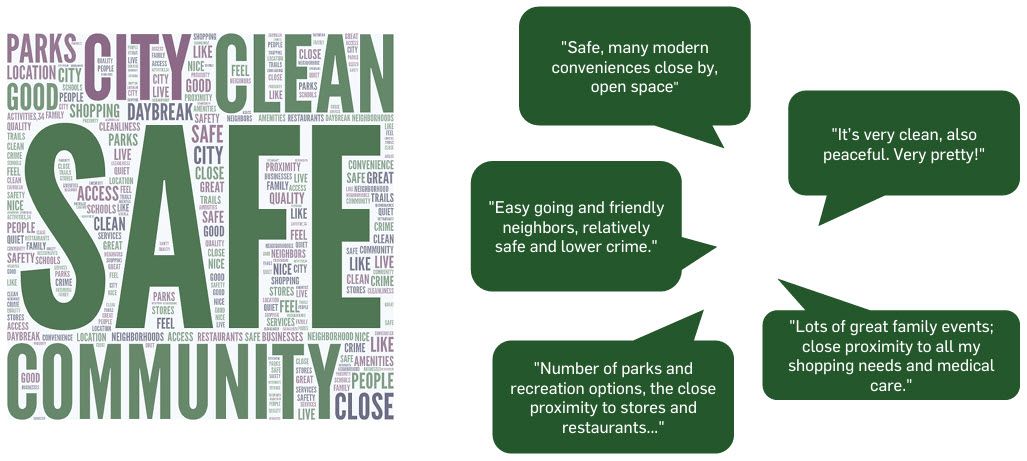
2025 Annual Community Survey South Jordan City Council Study Meeting February 17, 2026
South Jordan City Council Study Meeting Item F.2. May 5, 2026
South Jordan City Council Budget Meeting March 4, 2026
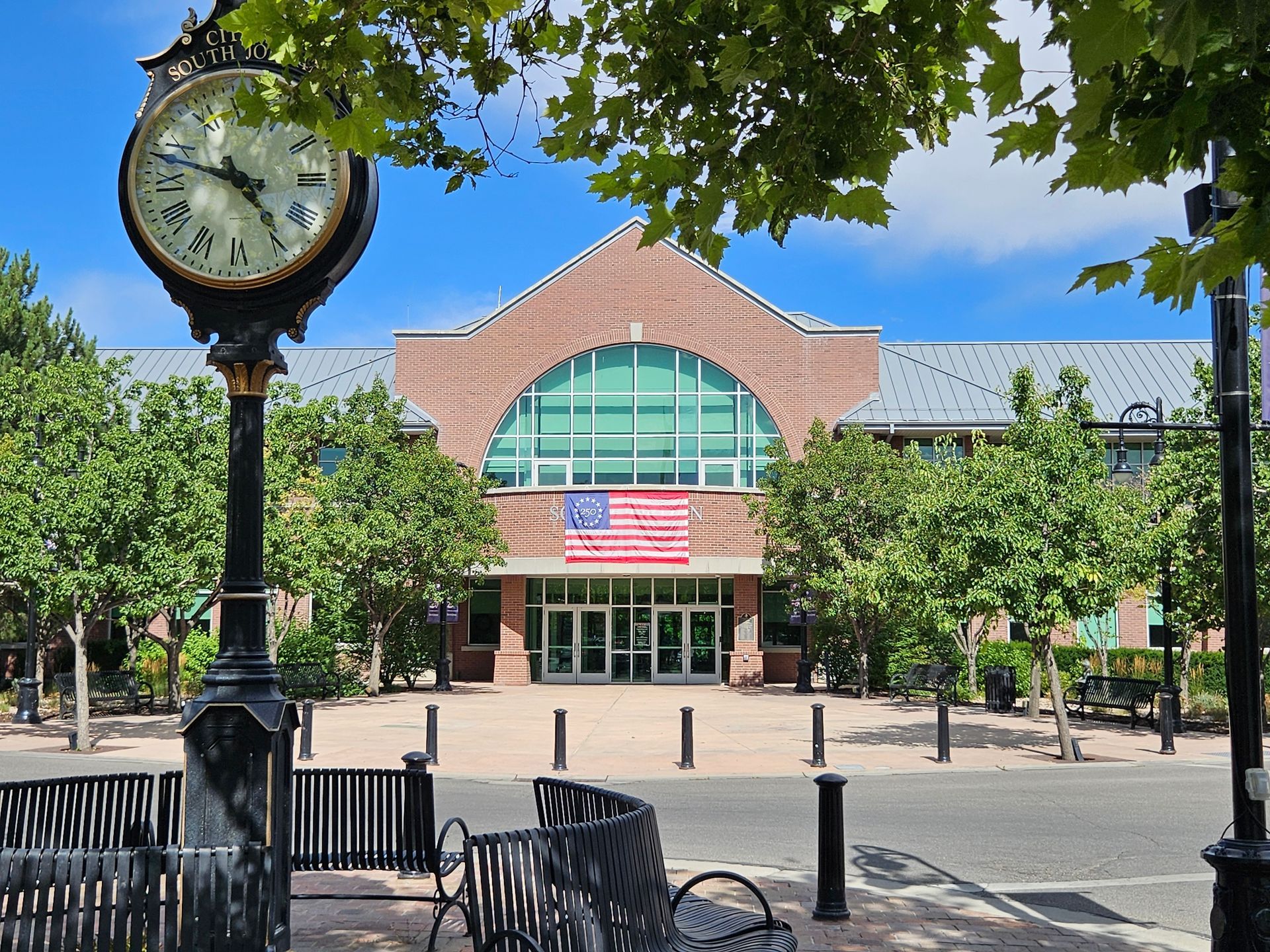
South Jordan City Council Budget Meeting January 7, 2026
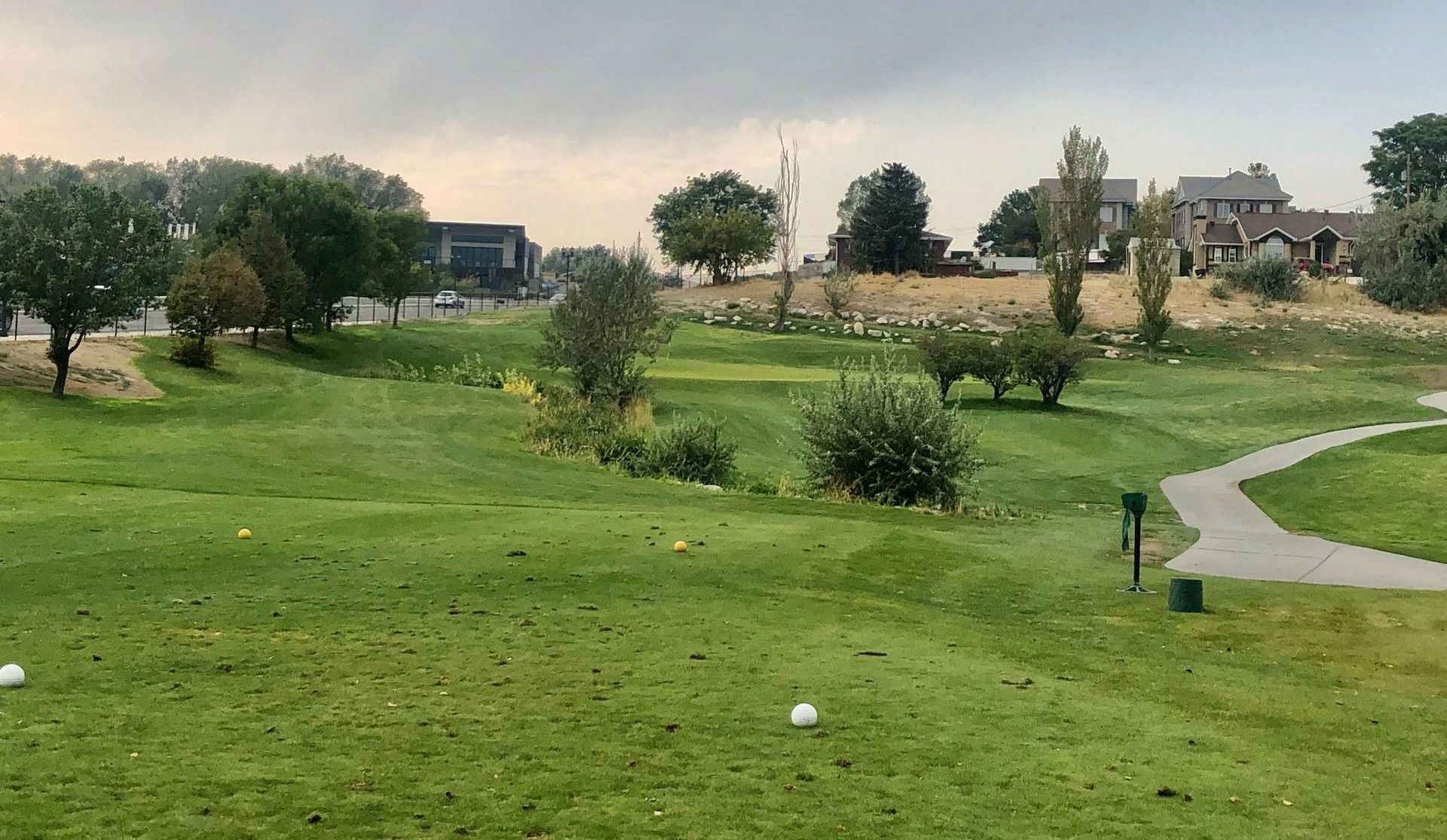
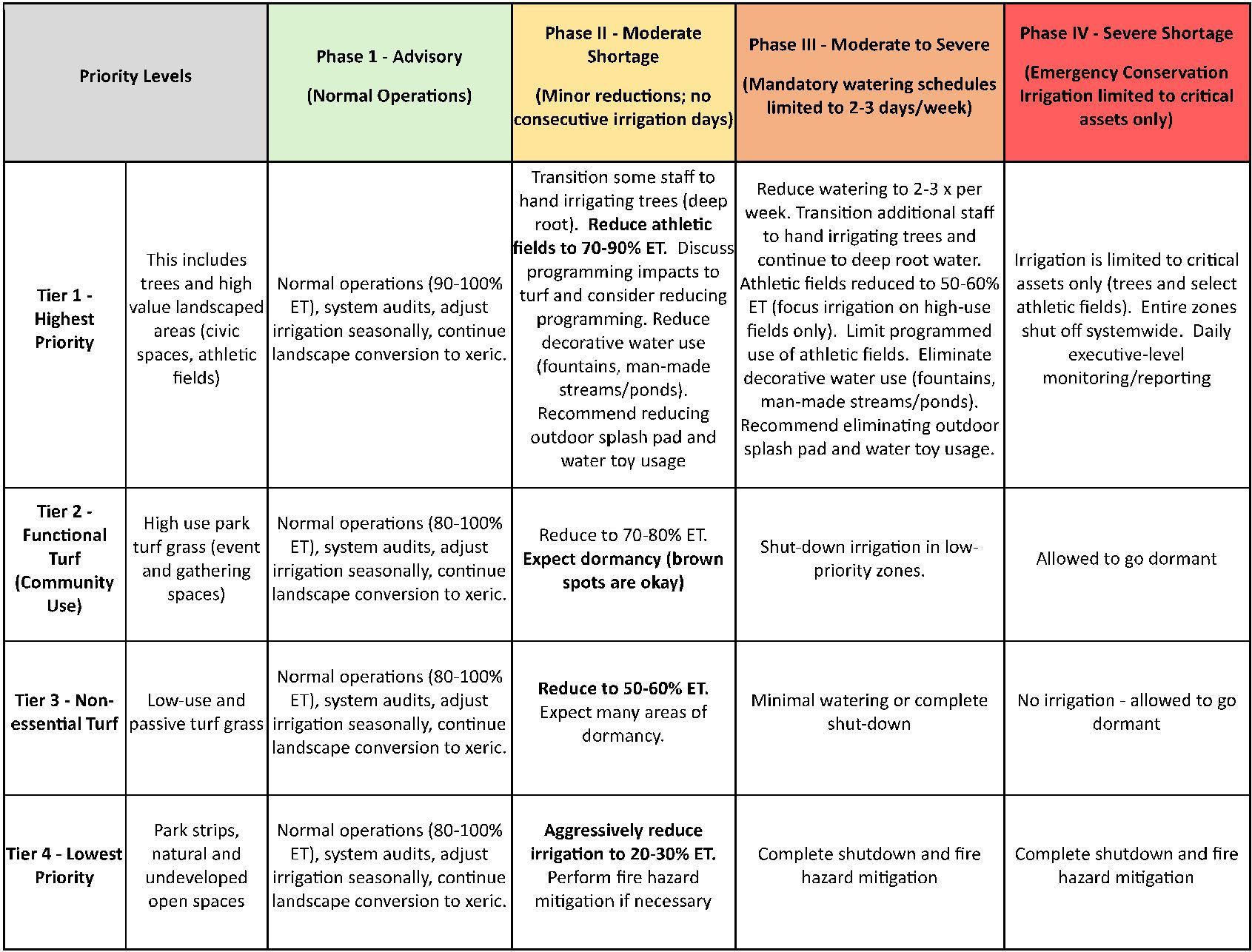
South Jordan City Parks and Open Space Water Shortage Irrigation Response
City of South Jordan Annual Budget Fiscal Year 2026-2027
South Jordan Parks, Open Space, Recreation & Trails Master Plan 2025
South Jordan Parks Fee Top 3 Things to Know Dedicated Funding : Every dollar stays in our parks, trails, and cemetery; it cannot be used for city salaries, benefits, or Mulligans. Low Impact : It costs less than $0.20 a day. Protects Assets : Dedicated funding prevents maintenance delays and protects your property values. Frequently Asked Questions Why do we need a new fee? Rising Maintenance Costs : The cost to maintain and enhance our existing public spaces has increased. Protects Service Levels : Without dedicated funding, park maintenance and critical improvements will face delays or reductions. Resident Demand : Community surveys and the 2024 Parks Master Plan show residents heavily prioritize high-quality parks. How much will this cost me monthly? Single-Family Homes : $5.28 per month ($63.36 annually). Multi-Family Homes : $3.38 per month ($40.50 annually). Universal Application : The fee applies to every residential unit within South Jordan city limits. Exactly where does my money go? Park Operations ($1.1 Million) : Covers mowing, irrigation, general upkeep, and trail repairs. Capital Improvements ($500,000) : Funds playground replacements, sports fields, courts, and tree planting. Cemetery Maintenance ($100,000) : Funds turf care, landscaping fixes, and headstone repairs. What is explicitly excluded from this fee? No Employee Wages : City employee salaries and benefits remain funded strictly by the General Fund. No Mulligans Funding : Zero fee revenue will go toward Mulligans-related golf or facility operations. What specific upgrades will my neighborhood see first? Playground Replacement : Complete replacement of the playground at Stonehaven Park. Restroom Upgrades : Citywide public restroom repairs and facility modernizations. Sports Field Maintenance : Infield repairs for baseball/softball and multi-purpose field improvements. Forestry Care : Maintenance and health management for over 8,500 city-owned trees. What are the community-wide benefits? Property Values : Well-maintained parks directly support and enhance local neighborhood property values. Better Trails : Improved connectivity and access across our 33 miles of city trails. Better Health : Greater access to active transportation networks and recreational open spaces.